UI / UX Design
An Organic Predicament
CERES Fair Food had great produce but users found the website difficult to use, hard to navigate and lengthy to checkout. The challenge was to understand the users’ needs to increase conversions.
Problem :
Low conversions and low average order value
Impact :
Only 15% of all traffic has successful transactions with the AOV at $120
Solution :
Optimised information architecture and simplified the order process, making navigation intuitive and driving higher conversion
Issue:
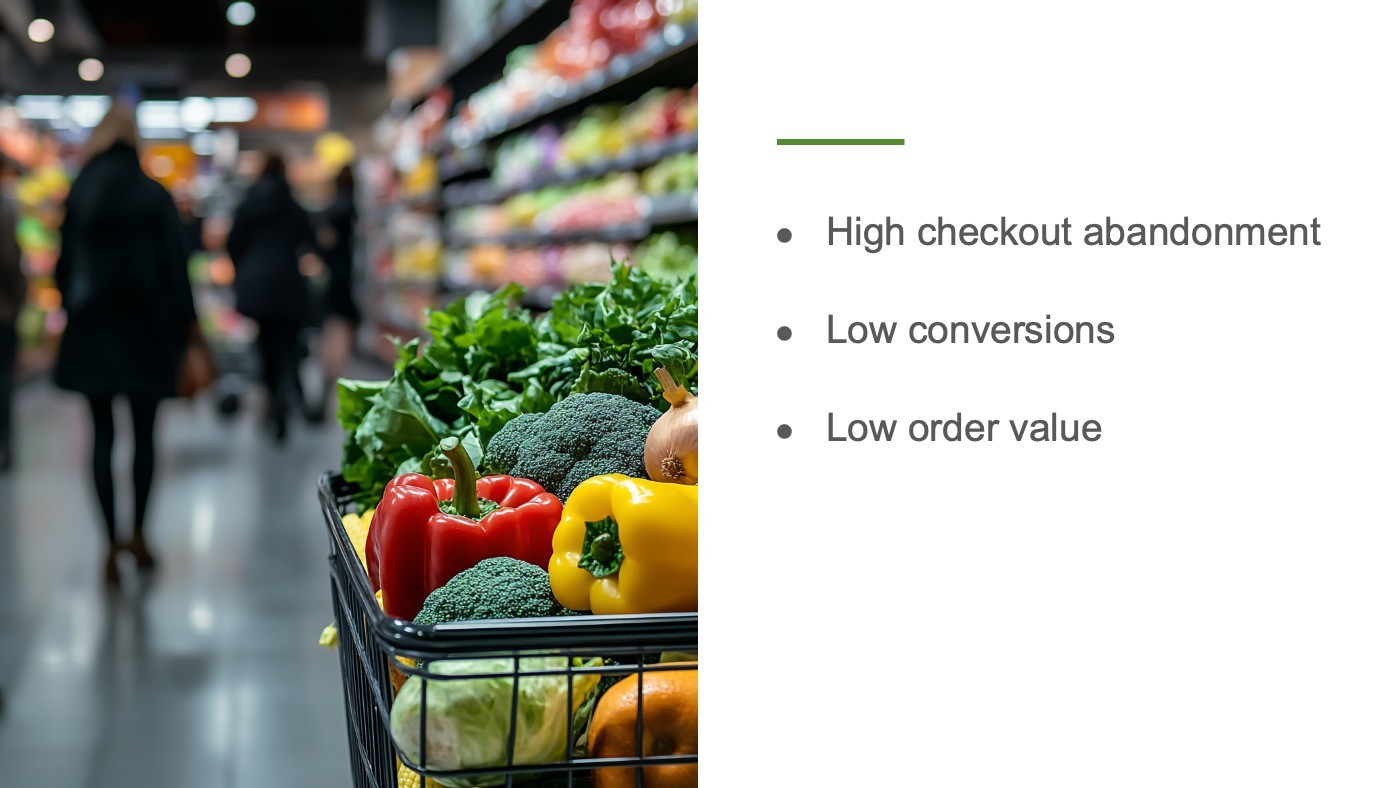
CERES Fair Food, a Melbourne-based organic food delivery service, saw a surge in demand during the Covid pandemic. More people than ever were filling their online carts, but just as quickly, they were abandoning them.
Our design challenge: Increase conversions and order value, and reduce cart abandonment.
Discovery:
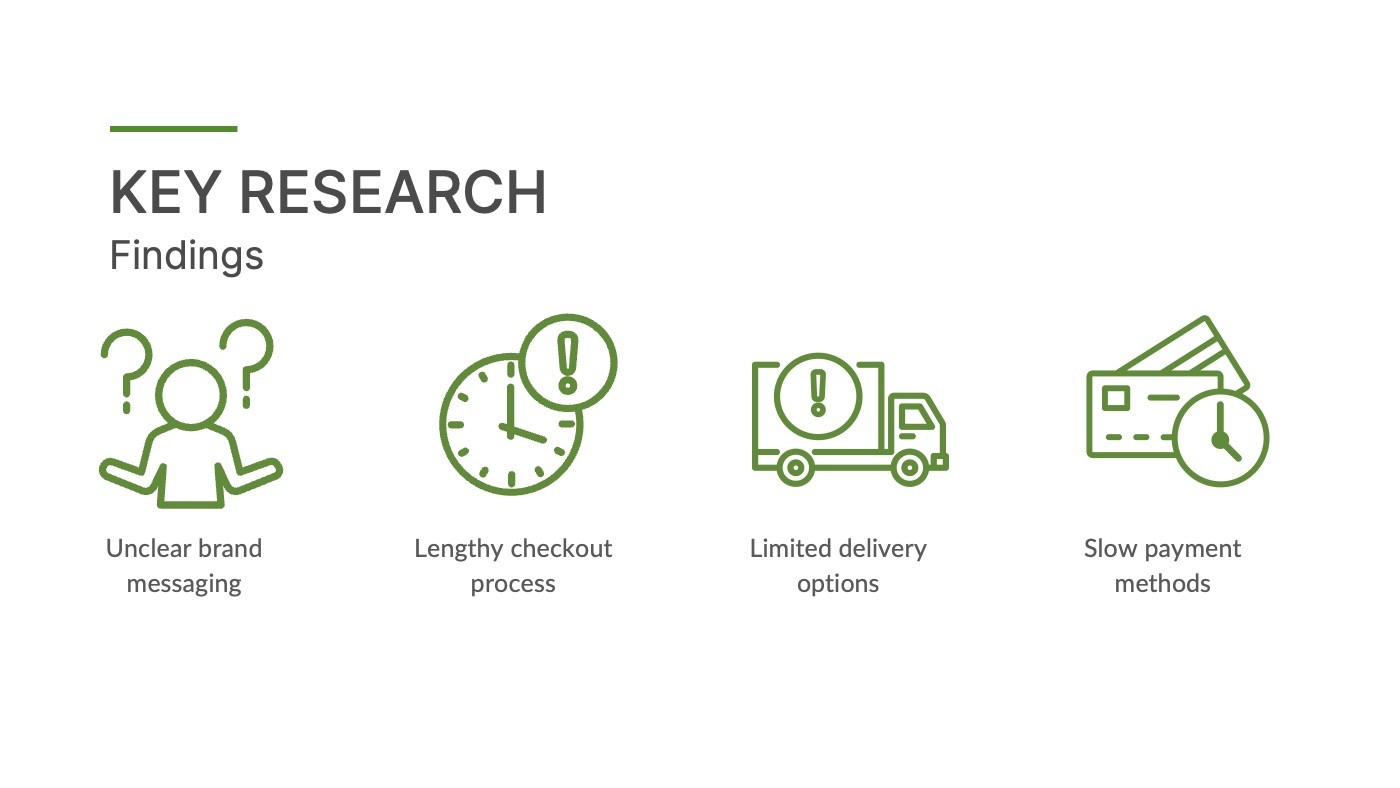
Through market research, competitor analysis, user interviews, and usability testing, we uncovered key barriers: unclear brand messaging, a lengthy checkout process, limited delivery options, and slow payment methods.
The issue wasn’t the food. Customers loved the produce, the mission, and the farmers CERES supported.
The problem was the experience: the checkout process was clunky, unclear, and too slow for shoppers who simply wanted fresh food on their doorstep.
Our research showed that CERES’s had the longest user flow out of all its competitors, and a major pain point was its forced sign up process for new users.
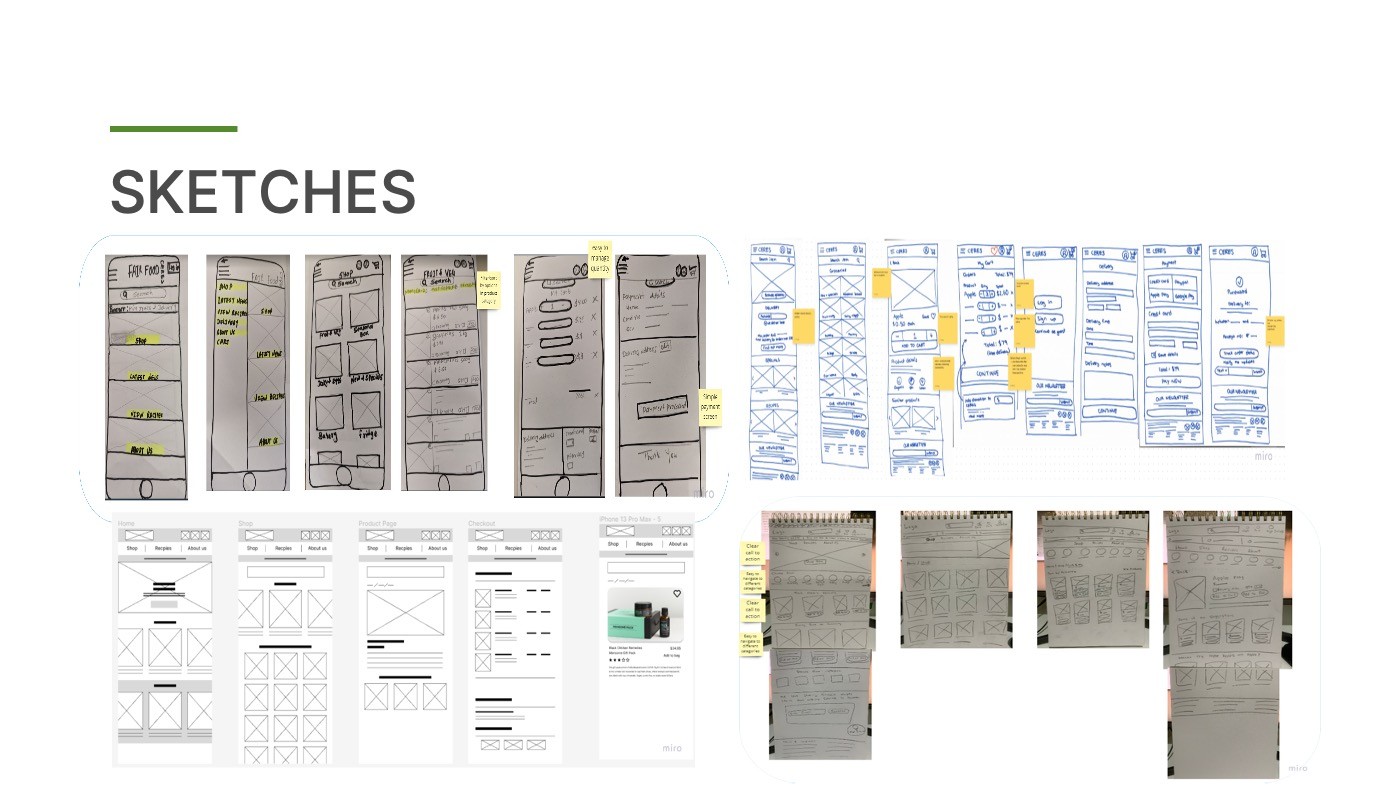
By mapping the user journey and iterating wireframes, I worked with my team to test solutions that addressed the users' frustrations and streamlined the buying experience.
Outcome:
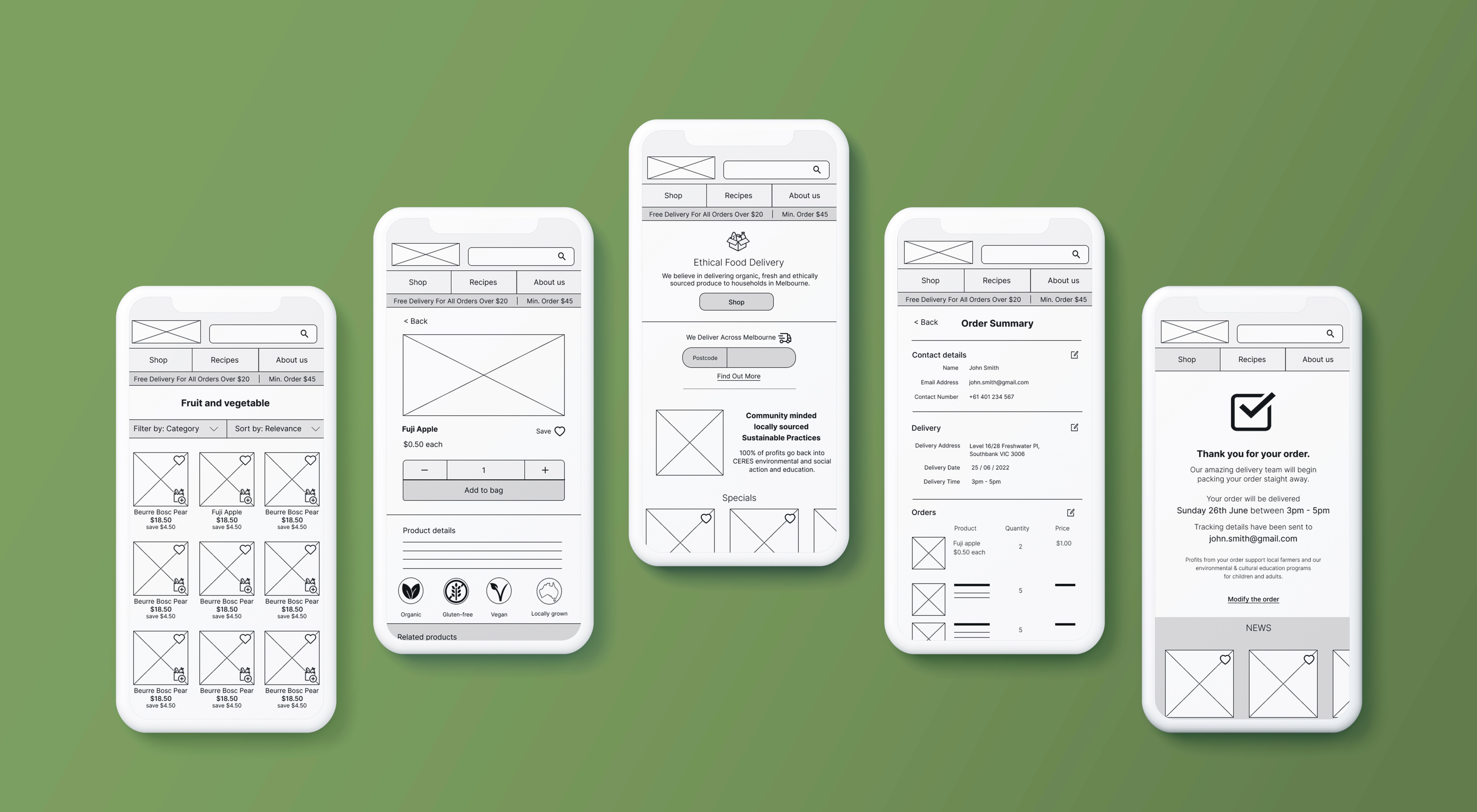
We designed updated wireframes highlighting CERES’s organic, farmer-supporting ethos, simplified the checkout process, provided improved delivery windows and modern payment options (e.g., Apple Pay, Google Pay).
While this was a concept project, usability testing confirmed these changes would create a smoother, faster, and more trustworthy shopping experience, encouraging more users to complete their orders.
This project taught me that design isn’t only about adding features, it’s about removing friction. By simplifying the site navigation and making the checkout process easier, we created an enjoyable experience for customers to complete their orders.
My biggest learning: sometimes the biggest improvements come not from new functionality, but from making existing systems easier to understand and navigate.

More Projects
UI / UX Design
An Organic Predicament
CERES Fair Food had great produce but users found the website difficult to use, hard to navigate and lengthy to checkout. The challenge was to understand the users’ needs to increase conversions.
Problem :
Low conversions and low average order value
Impact :
Only 15% of all traffic has successful transactions with the AOV at $120
Solution :
Optimised information architecture and simplified the order process, making navigation intuitive and driving higher conversion
Issue:
CERES Fair Food, a Melbourne-based organic food delivery service, saw a surge in demand during the Covid pandemic. More people than ever were filling their online carts, but just as quickly, they were abandoning them.
Our design challenge: Increase conversions and order value, and reduce cart abandonment.
Discovery:
Through market research, competitor analysis, user interviews, and usability testing, we uncovered key barriers: unclear brand messaging, a lengthy checkout process, limited delivery options, and slow payment methods.
The issue wasn’t the food. Customers loved the produce, the mission, and the farmers CERES supported.
The problem was the experience: the checkout process was clunky, unclear, and too slow for shoppers who simply wanted fresh food on their doorstep.
Our research showed that CERES’s had the longest user flow out of all its competitors, and a major pain point was its forced sign up process for new users.
By mapping the user journey and iterating wireframes, I worked with my team to test solutions that addressed the users' frustrations and streamlined the buying experience.
Outcome:
We designed updated wireframes highlighting CERES’s organic, farmer-supporting ethos, simplified the checkout process, provided improved delivery windows and modern payment options (e.g., Apple Pay, Google Pay).
While this was a concept project, usability testing confirmed these changes would create a smoother, faster, and more trustworthy shopping experience, encouraging more users to complete their orders.
This project taught me that design isn’t only about adding features, it’s about removing friction. By simplifying the site navigation and making the checkout process easier, we created an enjoyable experience for customers to complete their orders.
My biggest learning: sometimes the biggest improvements come not from new functionality, but from making existing systems easier to understand and navigate.
More Projects
UI / UX Design
An Organic Predicament
CERES Fair Food had great produce but users found the website difficult to use, hard to navigate and lengthy to checkout. The challenge was to understand the users’ needs to increase conversions.
Problem :
Low conversions and low average order value
Impact :
Only 15% of all traffic has successful transactions with the AOV at $120
Solution :
Optimised information architecture and simplified the order process, making navigation intuitive and driving higher conversion
Issue:
CERES Fair Food, a Melbourne-based organic food delivery service, saw a surge in demand during the Covid pandemic. More people than ever were filling their online carts, but just as quickly, they were abandoning them.
Our design challenge: Increase conversions and order value, and reduce cart abandonment.
Discovery:
Through market research, competitor analysis, user interviews, and usability testing, we uncovered key barriers: unclear brand messaging, a lengthy checkout process, limited delivery options, and slow payment methods.
The issue wasn’t the food. Customers loved the produce, the mission, and the farmers CERES supported.
The problem was the experience: the checkout process was clunky, unclear, and too slow for shoppers who simply wanted fresh food on their doorstep.
Our research showed that CERES’s had the longest user flow out of all its competitors, and a major pain point was its forced sign up process for new users.
By mapping the user journey and iterating wireframes, I worked with my team to test solutions that addressed the users' frustrations and streamlined the buying experience.
Outcome:
We designed updated wireframes highlighting CERES’s organic, farmer-supporting ethos, simplified the checkout process, provided improved delivery windows and modern payment options (e.g., Apple Pay, Google Pay).
While this was a concept project, usability testing confirmed these changes would create a smoother, faster, and more trustworthy shopping experience, encouraging more users to complete their orders.
This project taught me that design isn’t only about adding features, it’s about removing friction. By simplifying the site navigation and making the checkout process easier, we created an enjoyable experience for customers to complete their orders.
My biggest learning: sometimes the biggest improvements come not from new functionality, but from making existing systems easier to understand and navigate.