UI / UX Design
Running Dry
Australia is in a blood shortage, donation rates are low and the demand for blood is the highest it’s been in nearly a decade. The problem wasn’t just needles - it was nerves. The challenge was how to design the onboarding to reduce anxiety for first-timers.
Problem :
An increase of 45% of donations are required to meet current needs
Impact :
20% of all bookings are cancelled, 43% donors never return
Solution :
An empathy-rooted design approach reduced friction and increased successful donation bookings.
Issue:
Australia is facing a critical blood shortage: demand is at a decade high, but donations are dropping. Thousands of appointments are being cancelled each week due to Covid disruptions, lifestyle changes, and donor anxiety. To keep up with hospital needs, donations would need to increase by 45% - a huge leap.
Our design challenge: Encourage more people to book and reduce appointment cancellations.
The project brief asked us to design a solution that would make donation easier, less intimidating, and more inviting.
Discovery:
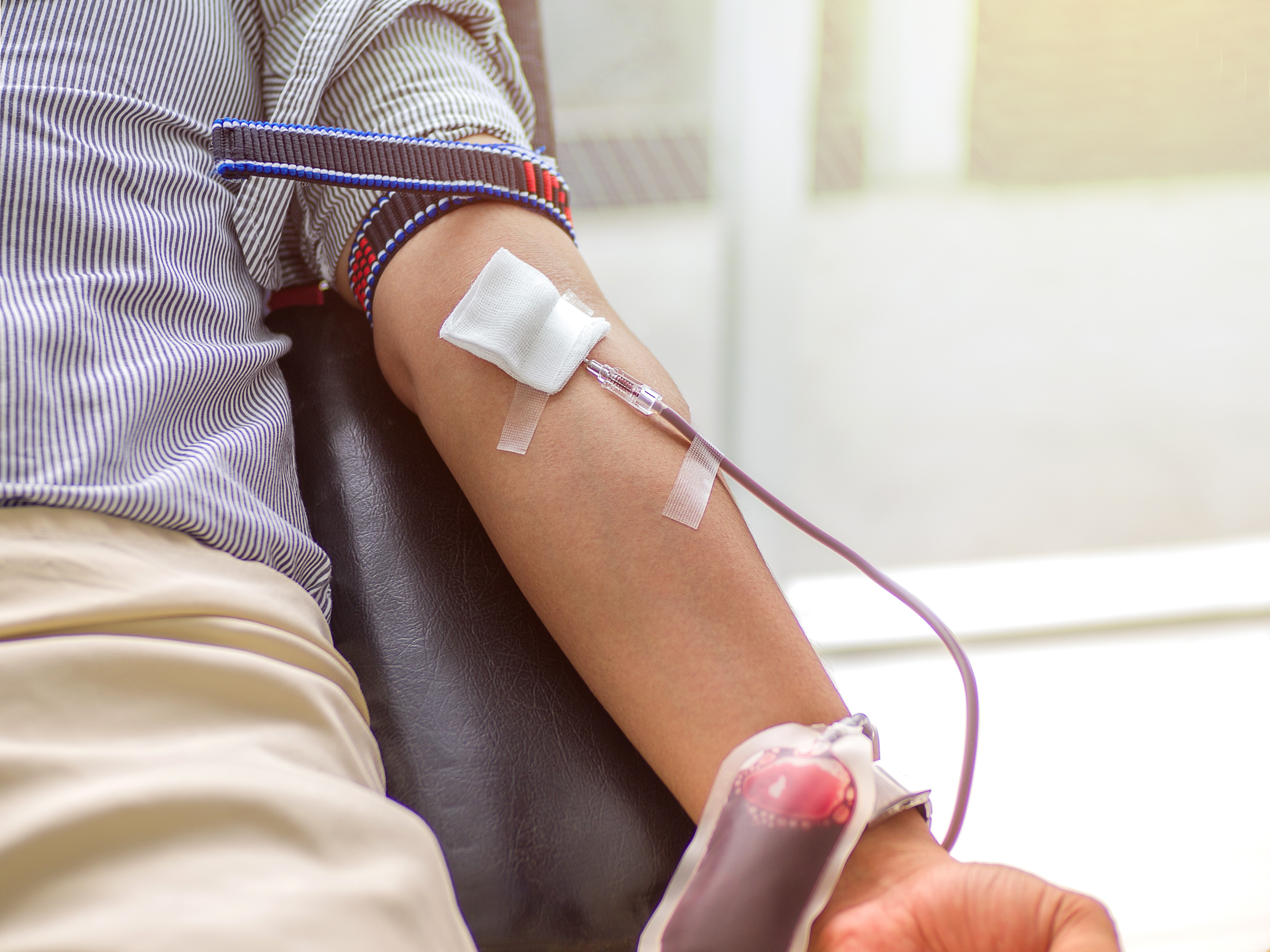
Our initial research revealed that the core challenge wasn’t the booking system, but the emotional anxiety surrounding blood donation. Users knew the societal benefits of blood donations, and they wanted to do it, but there was a real fear and anxiety preventing users from donating.
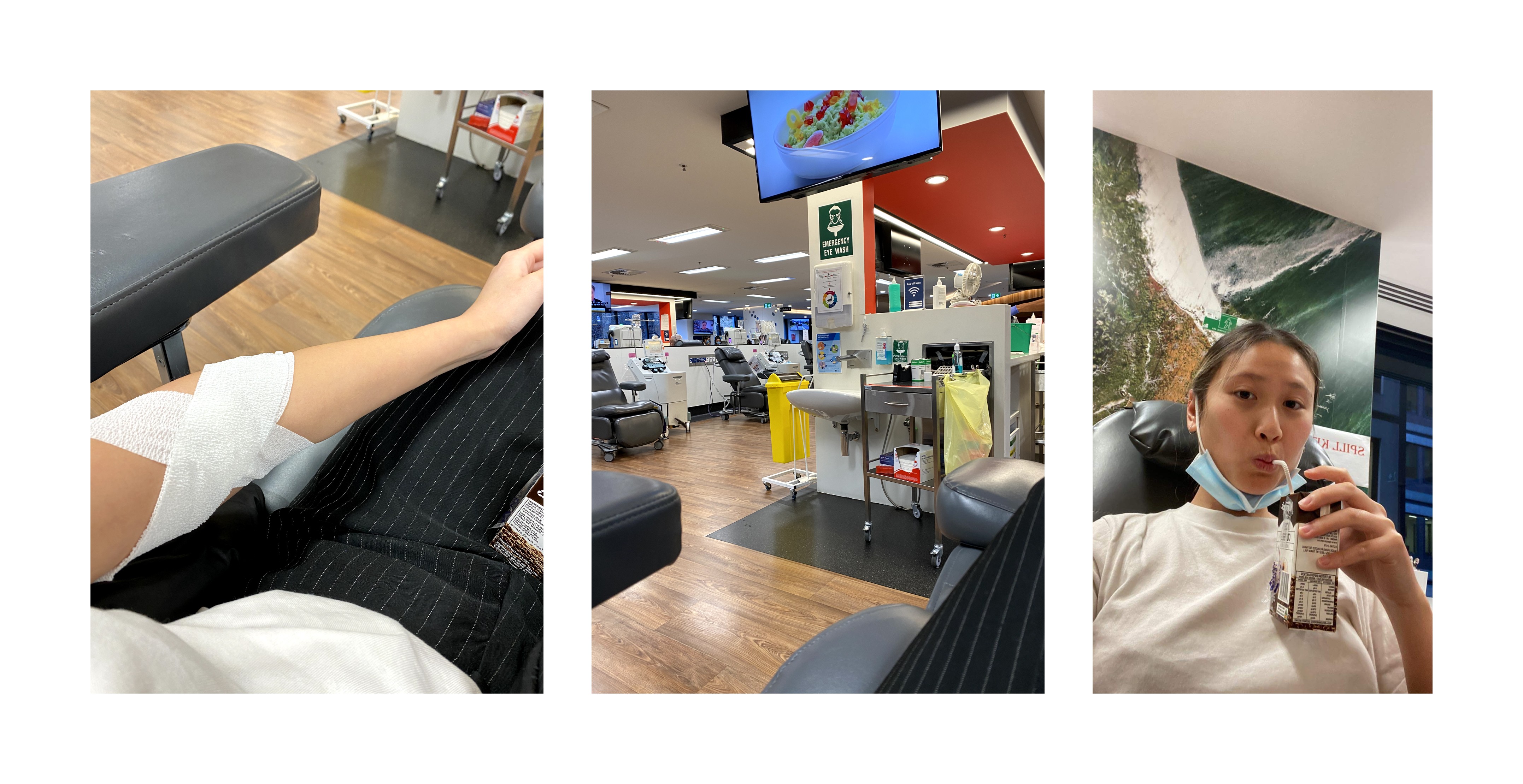
As a team, we decided to donate blood ourselves. Those within the team who had not donated before experienced this anxiety firsthand. This discovery shifted our focus from improving the flow to addressing user fears directly, driving designs that emphasised empathy, reassurance, and confidence.
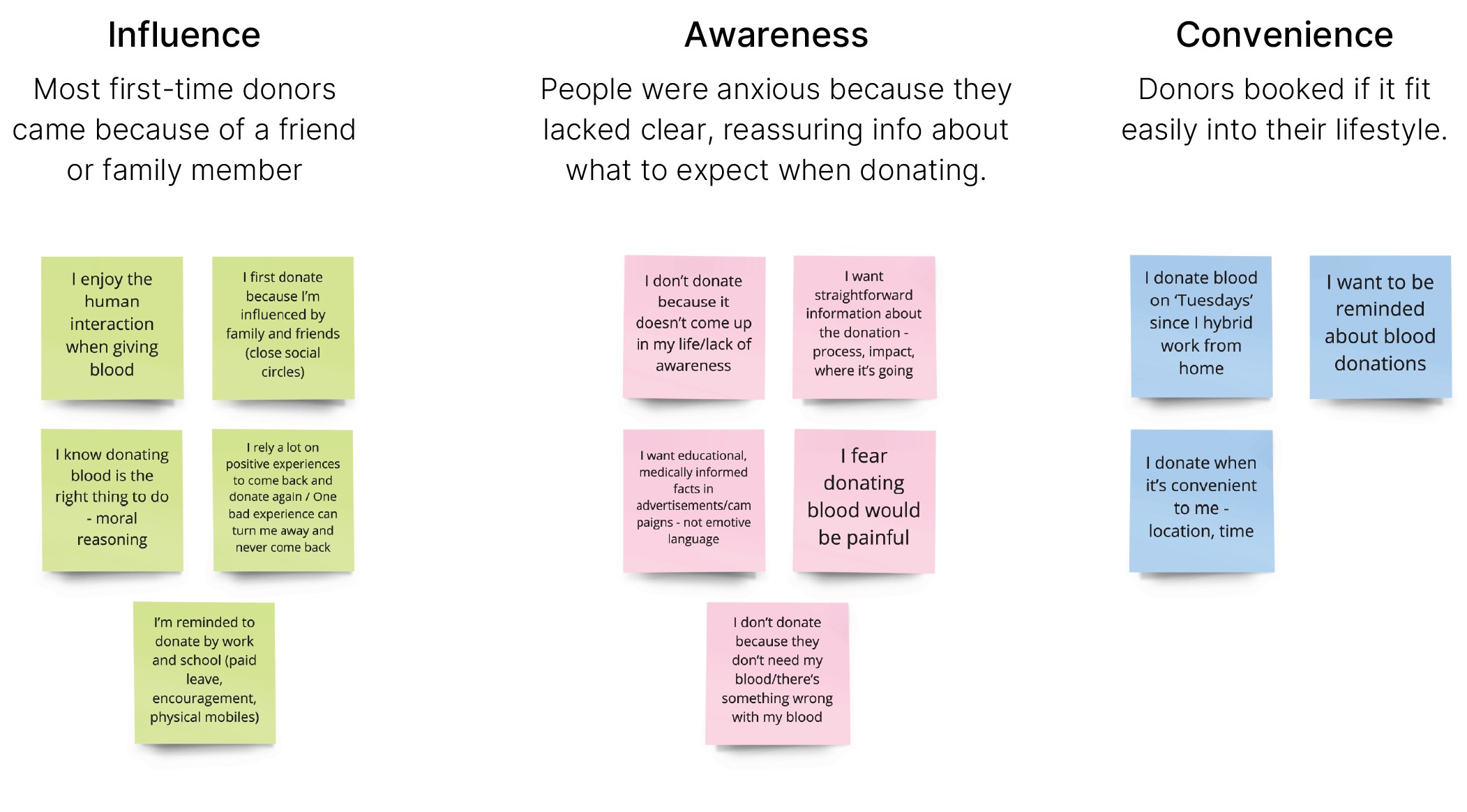
We conducted further research: interviews, task analysis, and competitor research to validate this initial insight and understand the broader behavioural patterns behind the lack of sign-ups and appointment cancellations.
Our research revealed three major barriers influencing donor behaviour: influence, awareness, and convenience.
Outcome:
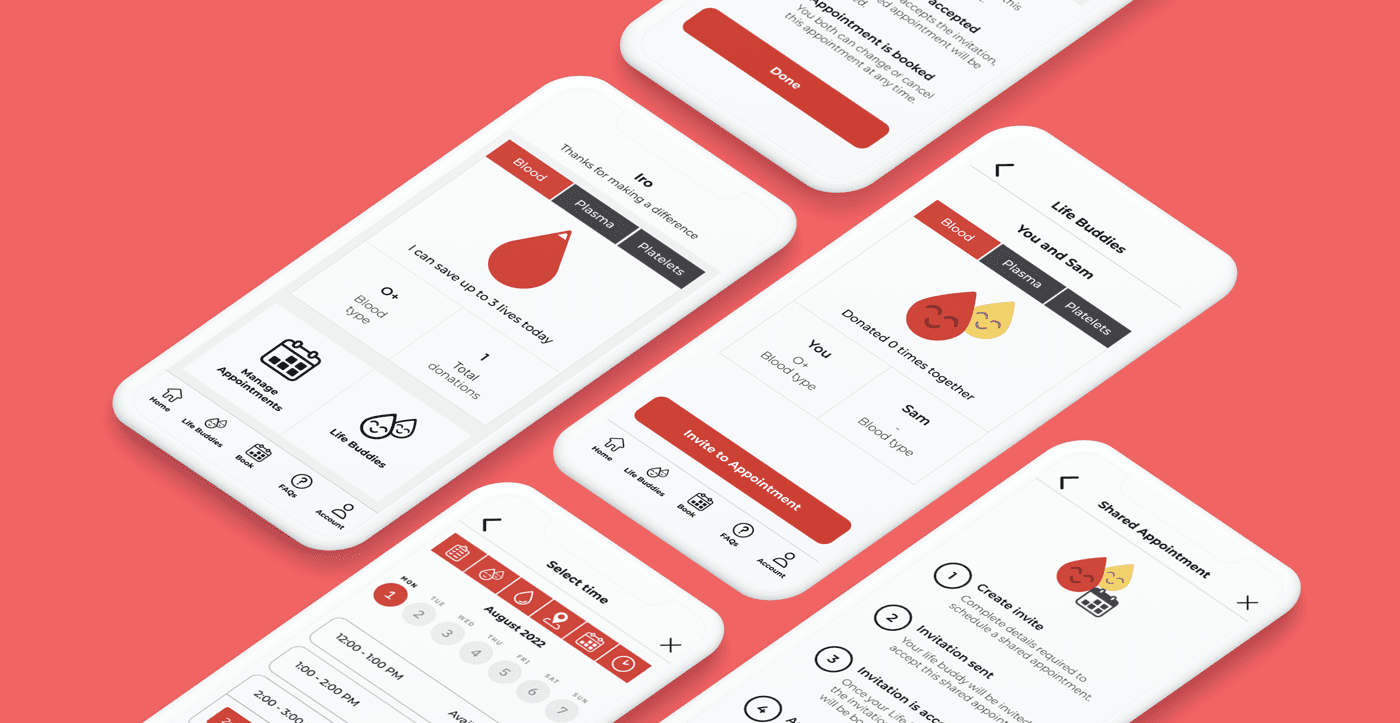
We designed LifeBuddies, a concept that reframed blood donation as a shared, supportive act rather than a solo task. It educated the users on what to expect when donating, it allowed users to book appointments with a friend, and would allow you to encourage each other to book future appointments.
My biggest learning: meaningful design isn’t only about usability, it’s also about understanding any emotional barriers that stop people from taking action.

More Projects
UI / UX Design
Running Dry
Australia is in a blood shortage, donation rates are low and the demand for blood is the highest it’s been in nearly a decade. The problem wasn’t just needles - it was nerves. The challenge was how to design the onboarding to reduce anxiety for first-timers.
Problem :
An increase of 45% of donations are required to meet current needs
Impact :
20% of all bookings are cancelled, 43% donors never return
Solution :
An empathy-rooted design approach reduced friction and increased successful donation bookings.
Issue:
Australia is facing a critical blood shortage: demand is at a decade high, but donations are dropping. Thousands of appointments are being cancelled each week due to Covid disruptions, lifestyle changes, and donor anxiety. To keep up with hospital needs, donations would need to increase by 45% - a huge leap.
Our design challenge: Encourage more people to book and reduce appointment cancellations.
The project brief asked us to design a solution that would make donation easier, less intimidating, and more inviting.
Discovery:
Our initial research revealed that the core challenge wasn’t the booking system, but the emotional anxiety surrounding blood donation. Users knew the societal benefits of blood donations, and they wanted to do it, but there was a real fear and anxiety preventing users from donating.
As a team, we decided to donate blood ourselves. Those within the team who had not donated before experienced this anxiety firsthand. This discovery shifted our focus from improving the flow to addressing user fears directly, driving designs that emphasised empathy, reassurance, and confidence.
We conducted further research: interviews, task analysis, and competitor research to validate this initial insight and understand the broader behavioural patterns behind the lack of sign-ups and appointment cancellations.
Our research revealed three major barriers influencing donor behaviour: influence, awareness, and convenience.
Outcome:
We designed LifeBuddies, a concept that reframed blood donation as a shared, supportive act rather than a solo task. It educated the users on what to expect when donating, it allowed users to book appointments with a friend, and would allow you to encourage each other to book future appointments.
My biggest learning: meaningful design isn’t only about usability, it’s also about understanding any emotional barriers that stop people from taking action.
More Projects
UI / UX Design
Running Dry
Australia is in a blood shortage, donation rates are low and the demand for blood is the highest it’s been in nearly a decade. The problem wasn’t just needles - it was nerves. The challenge was how to design the onboarding to reduce anxiety for first-timers.
Problem :
An increase of 45% of donations are required to meet current needs
Impact :
20% of all bookings are cancelled, 43% donors never return
Solution :
An empathy-rooted design approach reduced friction and increased successful donation bookings.
Issue:
Australia is facing a critical blood shortage: demand is at a decade high, but donations are dropping. Thousands of appointments are being cancelled each week due to Covid disruptions, lifestyle changes, and donor anxiety. To keep up with hospital needs, donations would need to increase by 45% - a huge leap.
Our design challenge: Encourage more people to book and reduce appointment cancellations.
The project brief asked us to design a solution that would make donation easier, less intimidating, and more inviting.
Discovery:
Our initial research revealed that the core challenge wasn’t the booking system, but the emotional anxiety surrounding blood donation. Users knew the societal benefits of blood donations, and they wanted to do it, but there was a real fear and anxiety preventing users from donating.
As a team, we decided to donate blood ourselves. Those within the team who had not donated before experienced this anxiety firsthand. This discovery shifted our focus from improving the flow to addressing user fears directly, driving designs that emphasised empathy, reassurance, and confidence.
We conducted further research: interviews, task analysis, and competitor research to validate this initial insight and understand the broader behavioural patterns behind the lack of sign-ups and appointment cancellations.
Our research revealed three major barriers influencing donor behaviour: influence, awareness, and convenience.
Outcome:
We designed LifeBuddies, a concept that reframed blood donation as a shared, supportive act rather than a solo task. It educated the users on what to expect when donating, it allowed users to book appointments with a friend, and would allow you to encourage each other to book future appointments.
My biggest learning: meaningful design isn’t only about usability, it’s also about understanding any emotional barriers that stop people from taking action.